

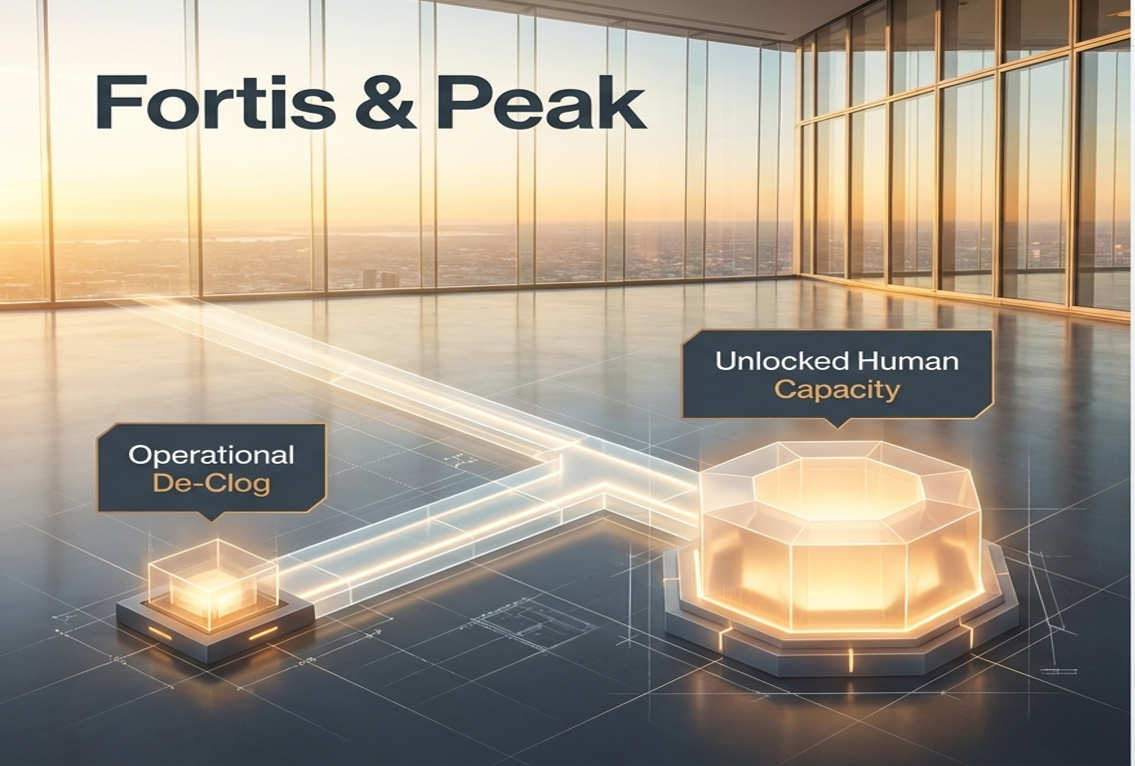
The business services sector for K-12 and Healthcare is currently facing a “Service Squeeze.” Demand for specialized care and personalized learning is soaring, while the workforce is experiencing unprecedented burnout. The future’s goal is “Operational De-Clog”: using technology to strip away administrative friction so that teachers can teach and clinicians can heal. Fortis & Peak enables service leaders to navigate this by deploying PeakFlow OS™ for workforce orchestration and NEXORA™ to unify the fragmented data across schools and clinics.
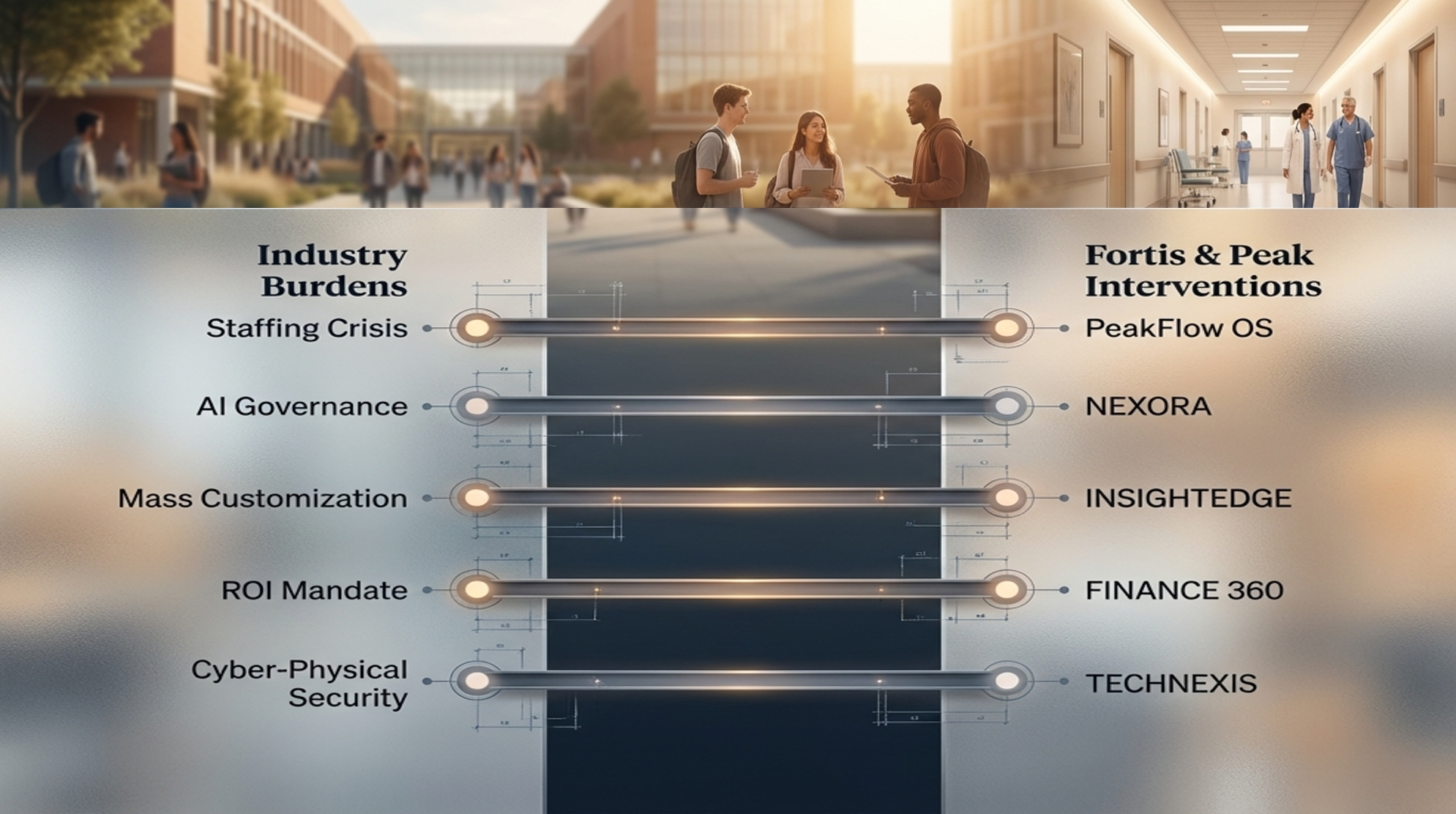
The Human Capital Paradox: In both schools and hospitals, the shortage of qualified professionals is the #1 risk. We implement PeakFlow OS™ to automate “Routine Logistics”—scheduling, documentation, and reporting—freeing up to 30% of staff time to focus on high-value human interaction.
The Governance Gap: Implementing AI in K-12 and Healthcare requires the highest levels of data privacy (FERPA/HIPAA) and ethical guarding. Through the NEXORA™ framework, we help service providers build “Protected AI Hubs” that ensure sensitive data never leaves the secure institutional perimeter.
The Mass-Customization Burden: Every student needs a unique learning path; every patient needs a custom care plan. We utilize INSIGHTEDGE™ to provide prescriptive analytics that help administrators predict resource needs (tutors, therapists, specialized equipment) before the “surge” occurs.
The ROI Mandate: Public and private funders are demanding evidence of outcomes (higher test scores, lower readmission rates). We help you implement FINANCE 360™ to link service expenditures directly to success metrics, turning your “costs” into “investments.”
The Security Burden: Schools and small clinics are now primary targets for ransomware. We deploy TECHNEXIS™ to engineer “Resilient Infrastructure,” integrating digital safety (filtering, monitoring) with physical security to create a unified shield.
As we move into 2026, the winners will be service providers who can demonstrate a direct correlation between their interventions and measurable human success—whether that is a jump in literacy rates or a reduction in hospital readmissions.
The AI-Tutor Revolution: With the maturation of multimodal LLMs, the opportunity is to provide 1-to-1 “AI Learning Agents” that adapt to each student’s pace, style, and emotional state. Using NEXORA™, we help you build secure, FERPA-compliant platforms that act as a 24/7 co-pilot for students, turning the “Mass Classroom” into an individualized success engine.
Agentic Workforce Orchestration: The staffing crisis is the single biggest threat to healthcare delivery. The opportunity lies in AI-Driven Administrative Offloading—using agents to handle scheduling, clinical documentation, and insurance coding. Through PeakFlow OS™, we help you automate the “drudge work,” restoring the “Joy of Practice” and increasing clinician retention by up to 40%.
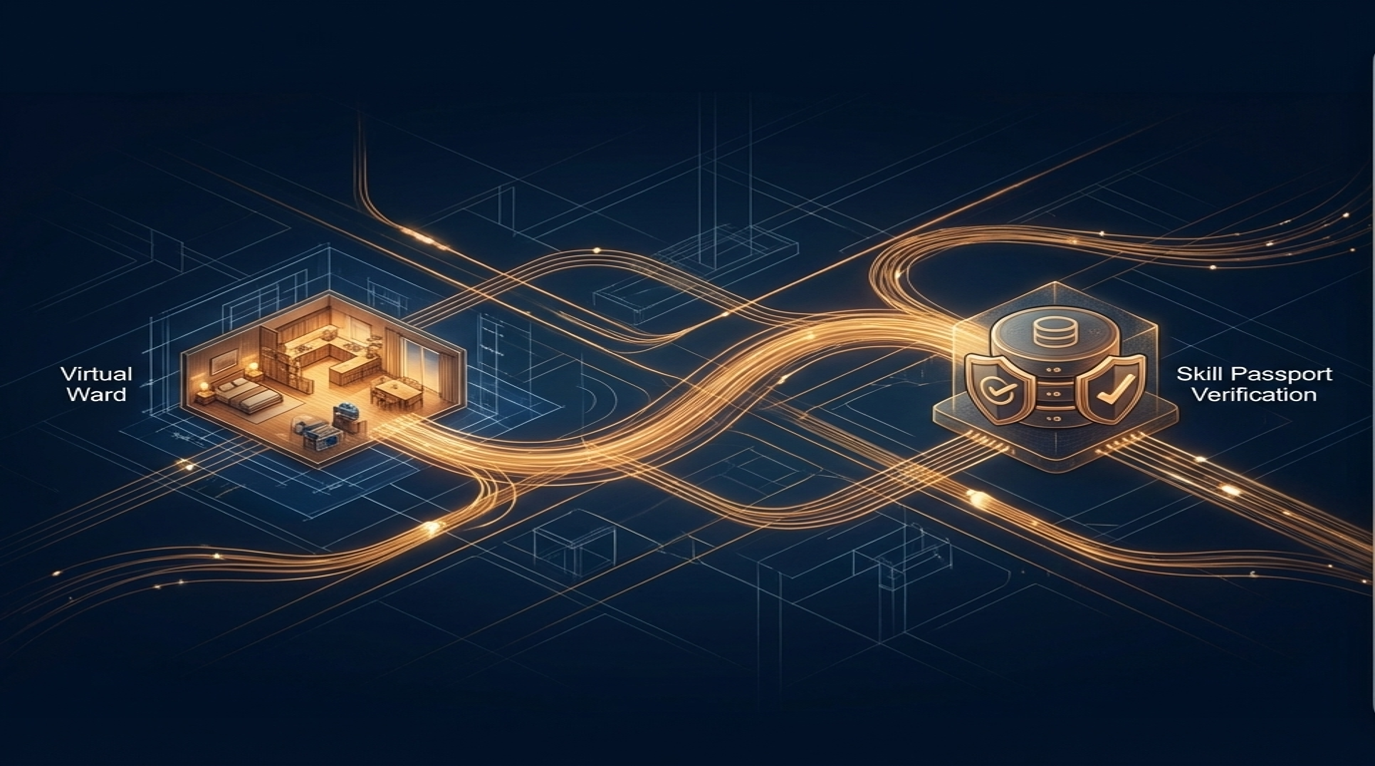
The Move to Career-Connected Learning: As states move toward “Portrait of a Graduate” frameworks, there is a massive market for Micro-Credentialing & Skill Passports. By deploying NEXORA™, we help you create a digital thread of a student’s competencies—from coding to critical thinking—that is verifiable by both universities and employers, bridging the gap between education and the workforce.
The Virtual Ward & Home-Health Hubs: Healthcare is moving out of the hospital and into the home. The opportunity is in providing Managed Remote Care Services—integrating wearables and AI sentinels that alert clinicians before a patient enters a crisis. Using TECHNEXIS™, we help you engineer the hardware and software ecosystems needed to manage these “Virtual Wards” profitably and safely.
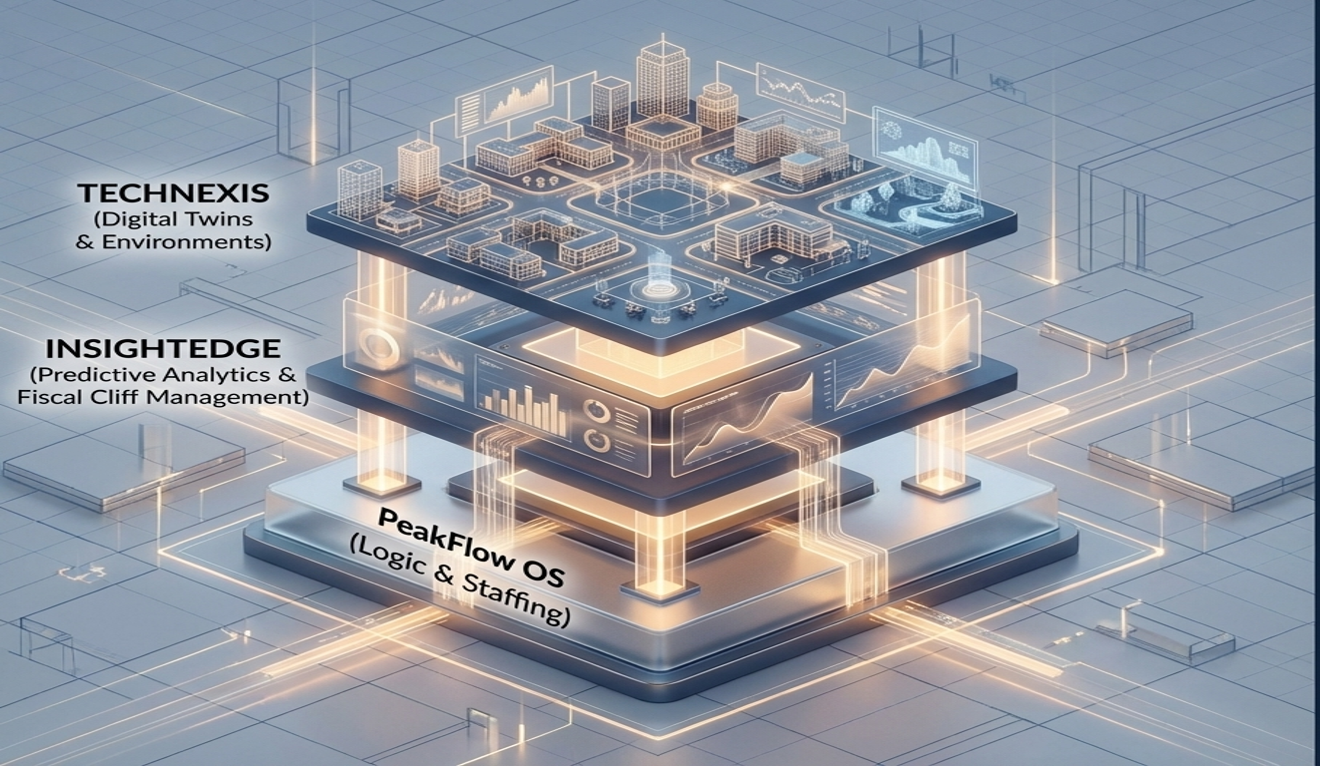
PeakFlow OS™: Managing the complex, variable logic of Special Education (SPED) staffing and outpatient clinical flows to ensure no student or patient is left behind.
INSIGHTEDGE™: Utilizing predictive analytics to help school districts and hospital systems manage “Fiscal Cliff” transitions, optimizing every dollar of variable, contract-based spending.
TECHNEXIS™: Engineering “Digital Twins” of school campuses and clinics to simulate everything from emergency response to energy efficiency, creating a safer and more sustainable environment.
In the Business Services sector for Education and Healthcare, the challenge is the ‘Service Elasticity Paradox’: the demand for hyper-personalized care is rising exactly as the labor pool is shrinking. At Fortis & Peak, we believe the solution is ‘Cognitive Augmentation.’ By implementing the Pinnacle10™ roadmap, we don’t just ‘digitize’ paperwork; we re-engineer the workflow so that AI handles the complexity while humans handle the empathy. Through FINANCE 360™, we ensure that every dollar spent on service modernization is a calculated move toward a verifiable human outcome.”
Fortis & Peak Consulting
Can an AI agent be a reliable member of a care team or a faculty?
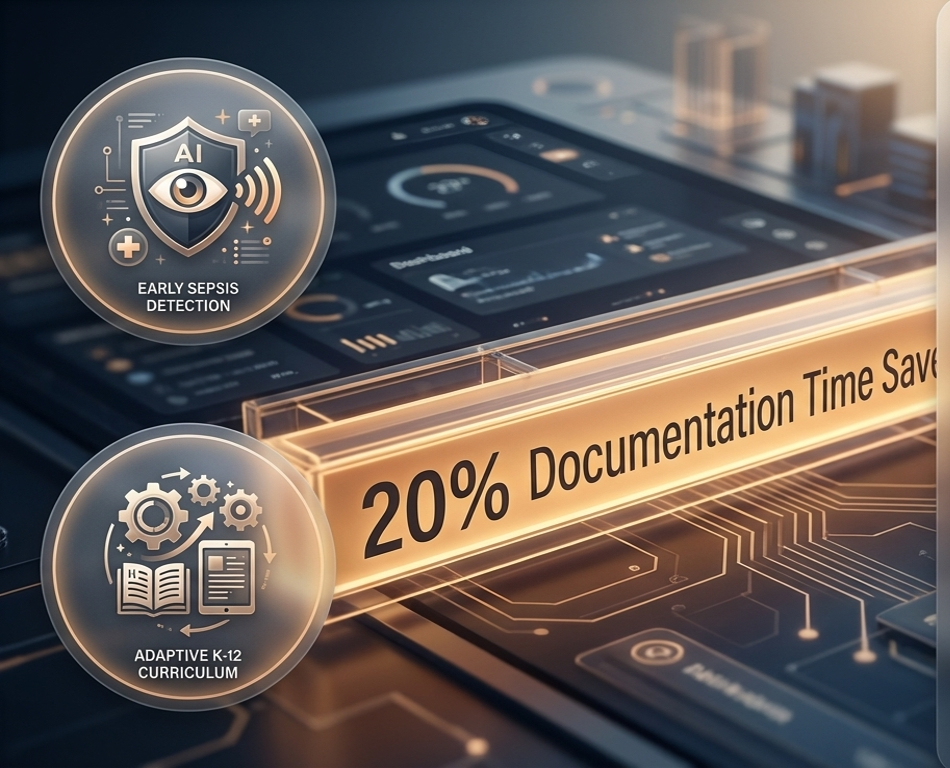
By 2026, the industry is shifting from “Chatbots” to Agentic AI—proactive digital teammates that not only answer questions but also execute complex workflows. In healthcare, these agents monitor EHRs to flag early sepsis signs and initiate orders. In K-12, they act as 24/7 tutors that adapt curricula in real-time based on a student’s emotional and academic progress.
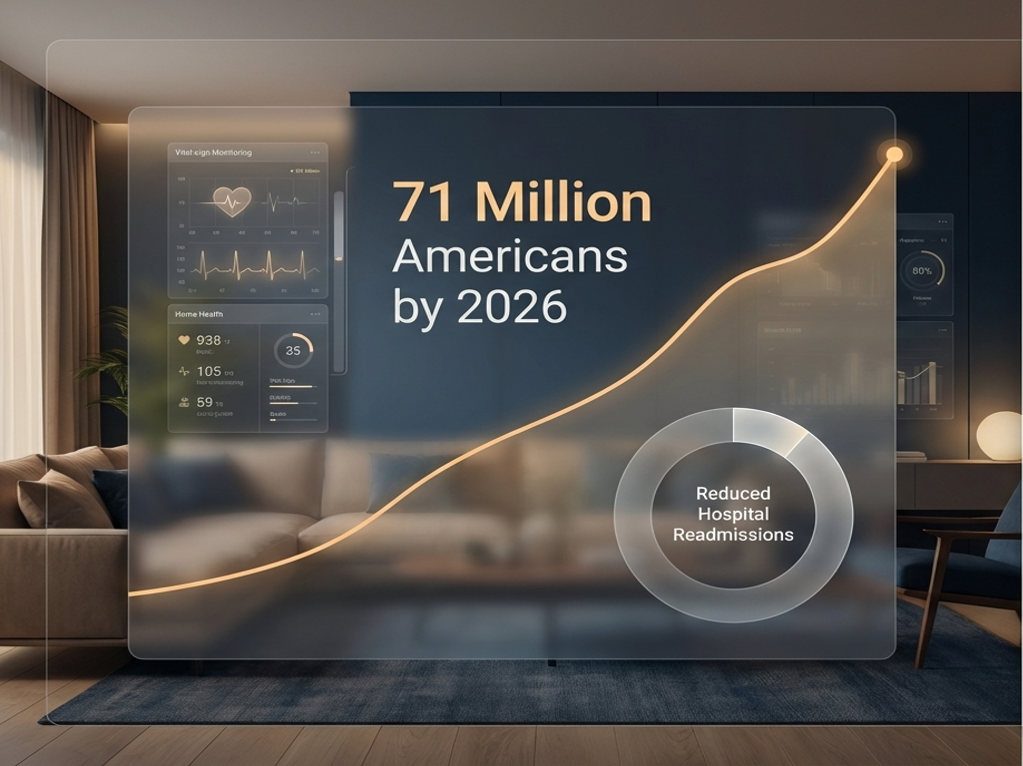
Is the hospital of 2026 actually located in the patient’s living room?
The “Virtual Ward” model has matured, using wearable technology and AI sentinels to manage chronic conditions remotely. By 2026, an estimated 71 million Americans will be using remote patient monitoring tools, shifting healthcare from reactive crisis management to proactive, home-based prevention.
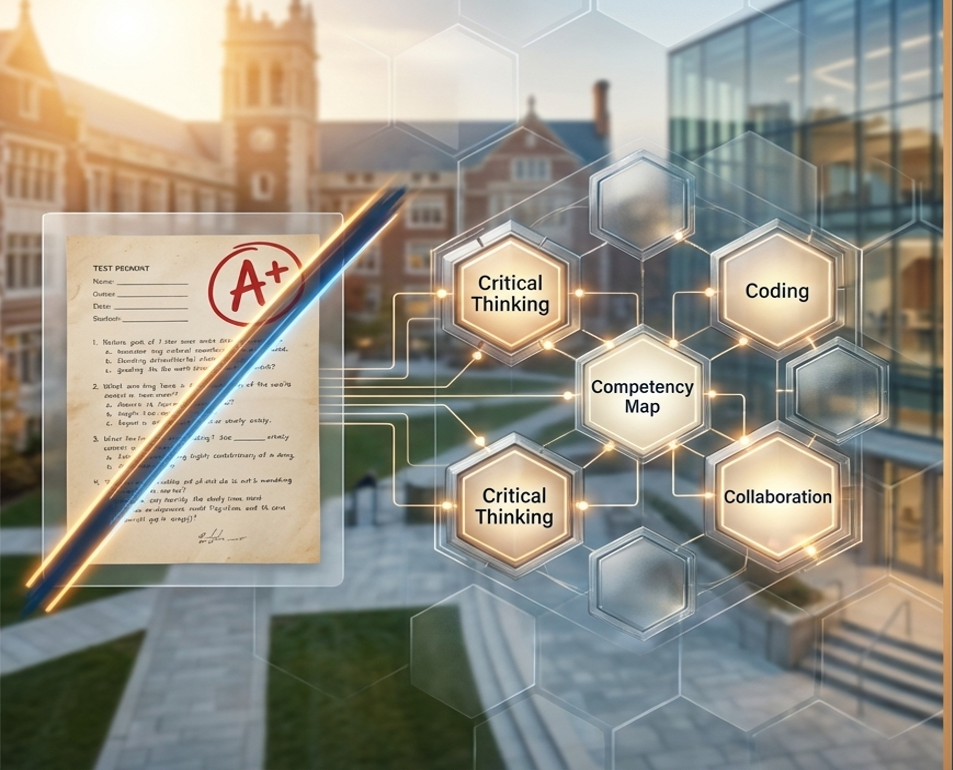
Can we move beyond the “Letter Grade” to a data-driven competency map?
K-12 education is moving toward Skill Passports—portable, digital records that track a student’s “Competency Journey” across different schools and extracurriculars. By 2026, these passports are increasingly used by universities and employers to verify real-world skills like critical thinking, coding, and collaborative problem-solving.
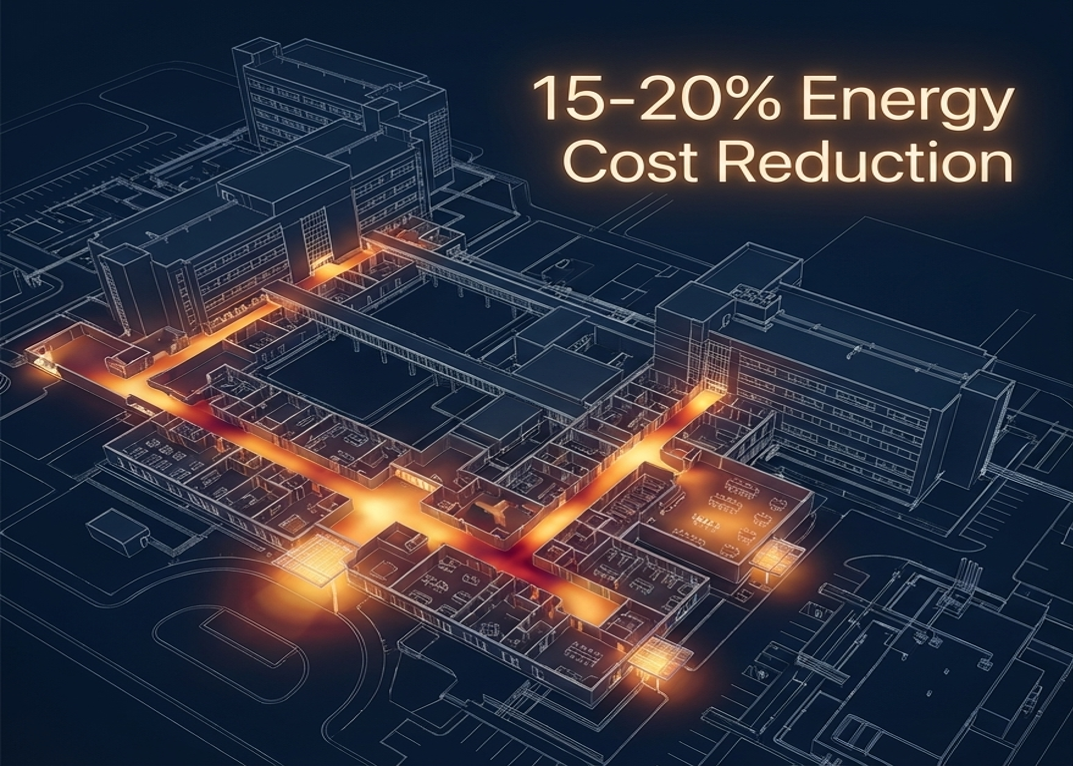
Can you simulate a school crisis or a hospital surge before it happens?
 In the near future, administrators are using Digital Twins to model their physical facilities. These models simulate everything from student flow during passing periods to energy consumption in a hospital wing, enabling “what-if” planning for various scenarios, including pandemics and budget cuts.
The success of a school or hospital is no longer measured by how many staff it employs, but by the "Human-Capacity" it unlocks. As we move into an era defined by Agentic Teammates, Virtual Wards, and Skill Passports, your mission is to remove the "operational clog" that prevents experts from doing what they do best: teaching and healing. Whether you are scaling personalized learning with NEXORA™ or automating clinical workflows through PeakFlow OS™, the time to architect your resilient, human-centric future is now.
Don’t just manage a service—architect an outcome. Join the community of visionary leaders who are turning business services into a catalyst for human potential.
Subscribe to the "Human Potential" Executive Briefing
Join our executive network for a streamlined monthly update. Stay ahead with the Agentic Teammate Report on AI-workforce integration, Service Elasticity Insights for managing staffing volatility, the Data Governance & Ethics Watch for real-time analysis of FERPA/HIPAA-compliant AI, and our Outcome ROI Tracker for the latest on value-based educational and clinical results.
To help us assist you effectively, please include the information below with your message. Your personal data will be handled in line with our Privacy Statement.
Required fields are indicated by an asterisk (*).