

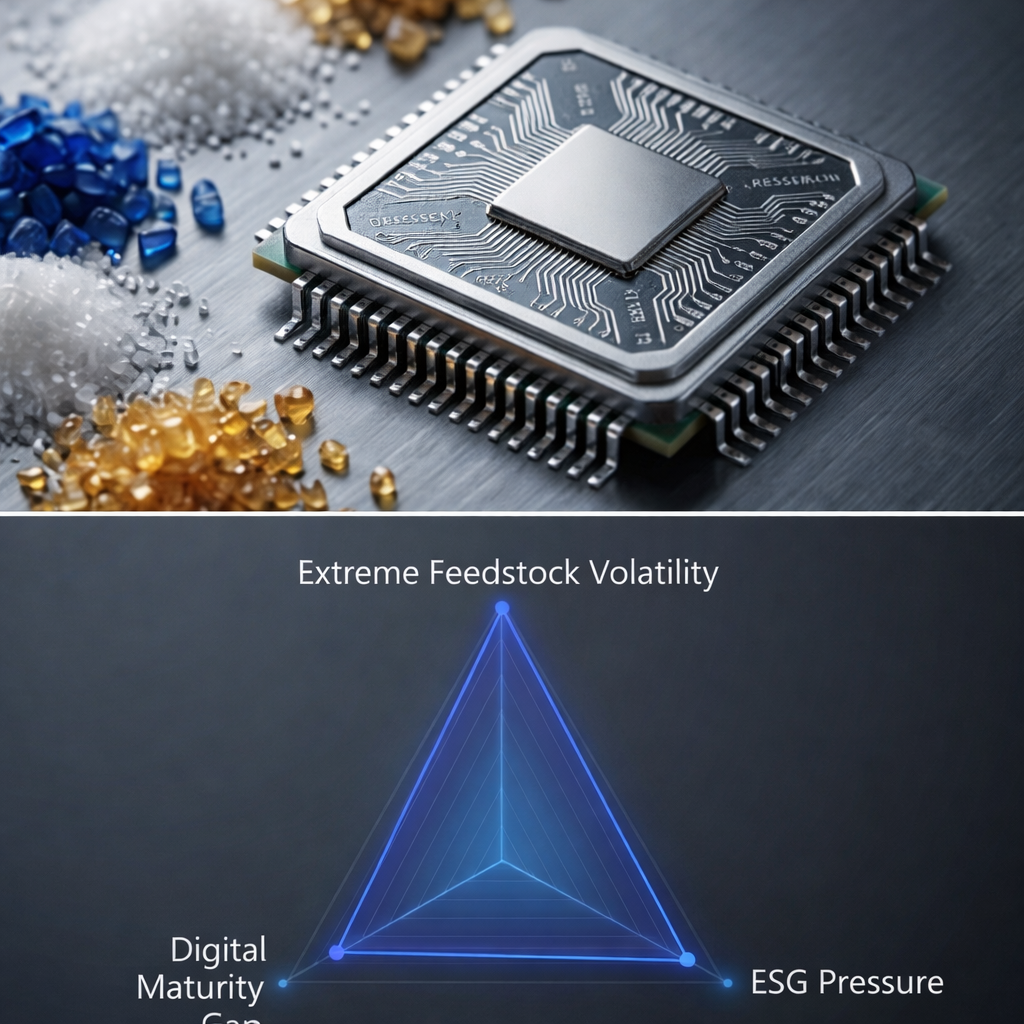
The chemical industry is currently navigating a period of intense structural transformation. Organizations are struggling with extreme feedstock price volatility and the logistical complexities of decarbonizing energy-intensive production processes. These challenges are exacerbated by stringent global ESG regulations and the urgent need to transition from linear to circular product lifecycles without compromising yield. Furthermore, the industry faces a critical digital maturity gap, where legacy plants lack the real-time data integration needed to optimize high-pressure, high-temperature operations. Fortis & Peak addresses these hurdles by implementing advanced process automation, de-risking chemical supply chains, and engineering “Net-Zero” roadmaps that align operational output with environmental compliance.
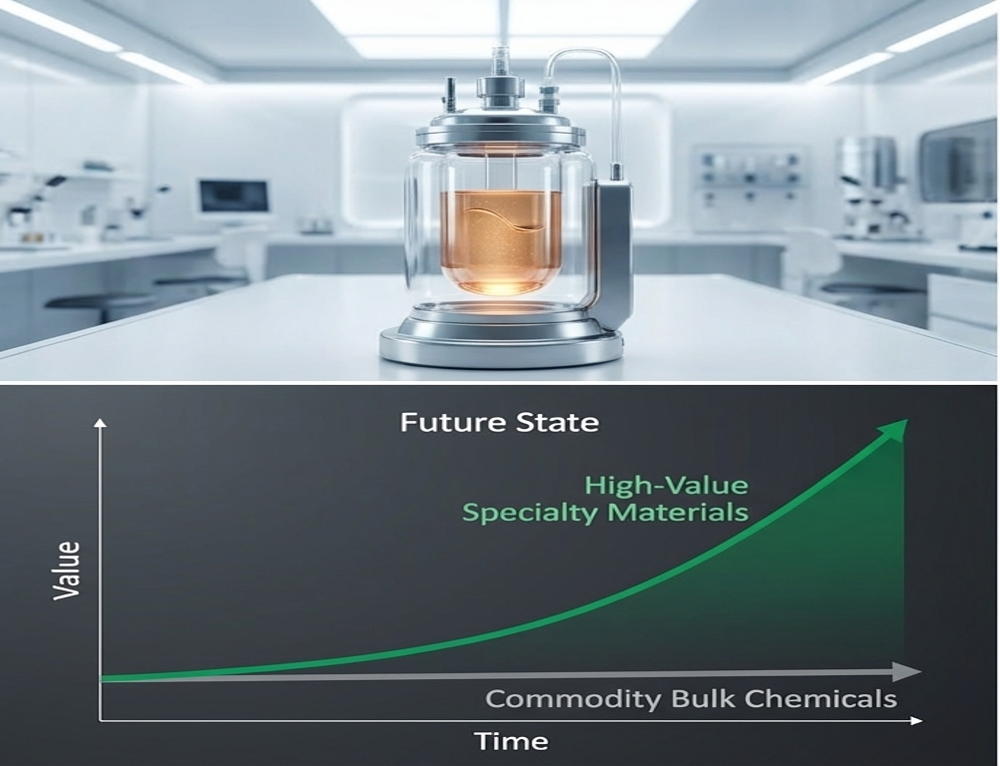
The Chemical industry is entering a “Golden Age of Specialization,” where the most significant opportunities lie in high-margin applications and sustainable innovation. As global markets pivot toward advanced technologies, chemical producers are uniquely positioned to act as the primary “enablers” of the semiconductor, electric vehicle, and pharmaceutical revolutions. By leveraging bio-based feedstocks and digital R&D, firms can not only meet stringent ESG targets but also command premium pricing for “green” molecules that are increasingly in demand from downstream consumer brands. Fortis & Peak helps clients identify these high-alpha opportunities, optimizing portfolio pivots from commodity bulk chemicals to high-value specialty materials.
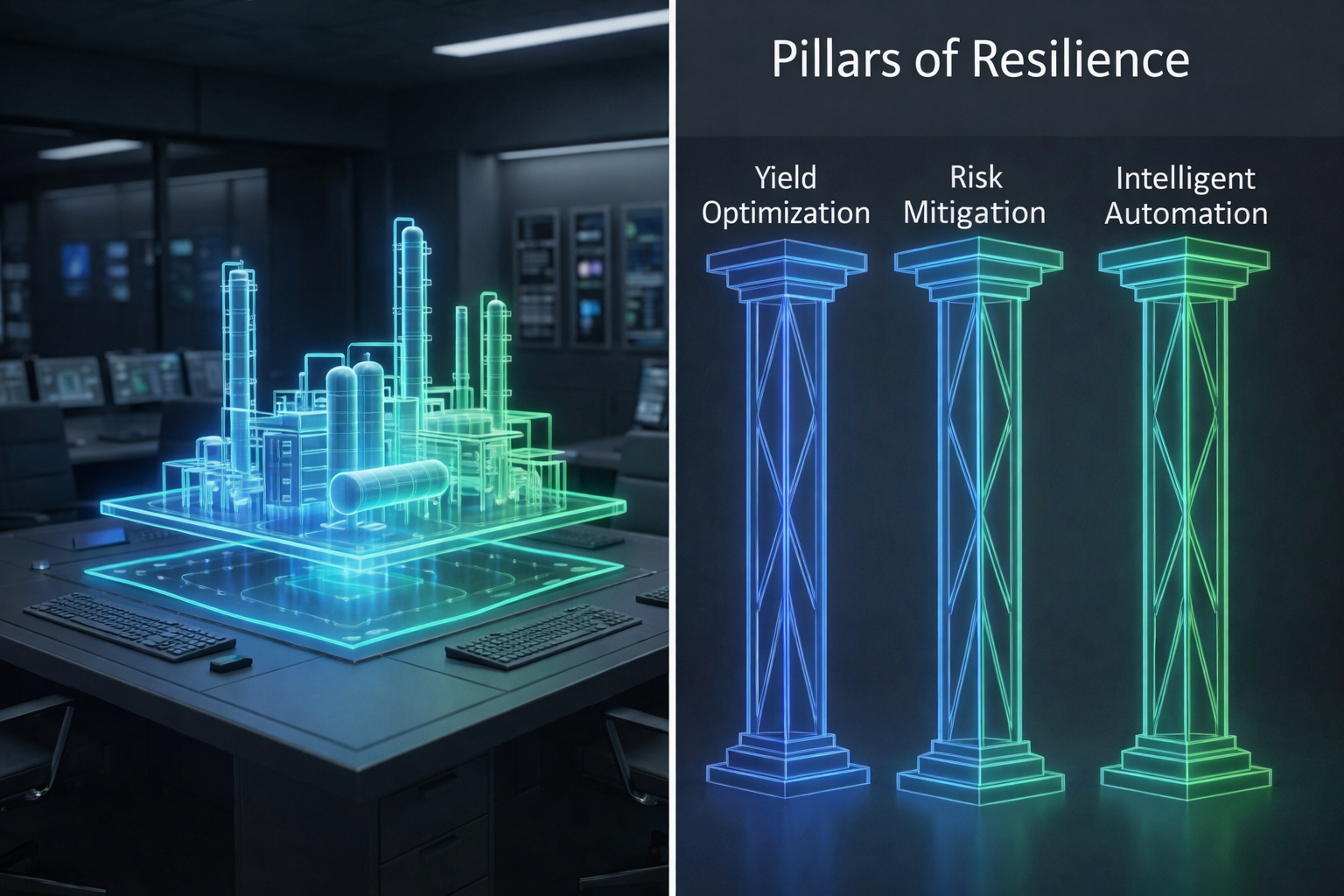
Fortis & Peak provides the technical architecture and strategic oversight needed to modernize legacy chemical operations. Our solutions focus on maximizing molecular yield while minimizing environmental and financial risk. By integrating high-fidelity automation with our FortisIntel supply chain framework, we ensure that your facility is not just a production site, but a resilient, data-driven asset.
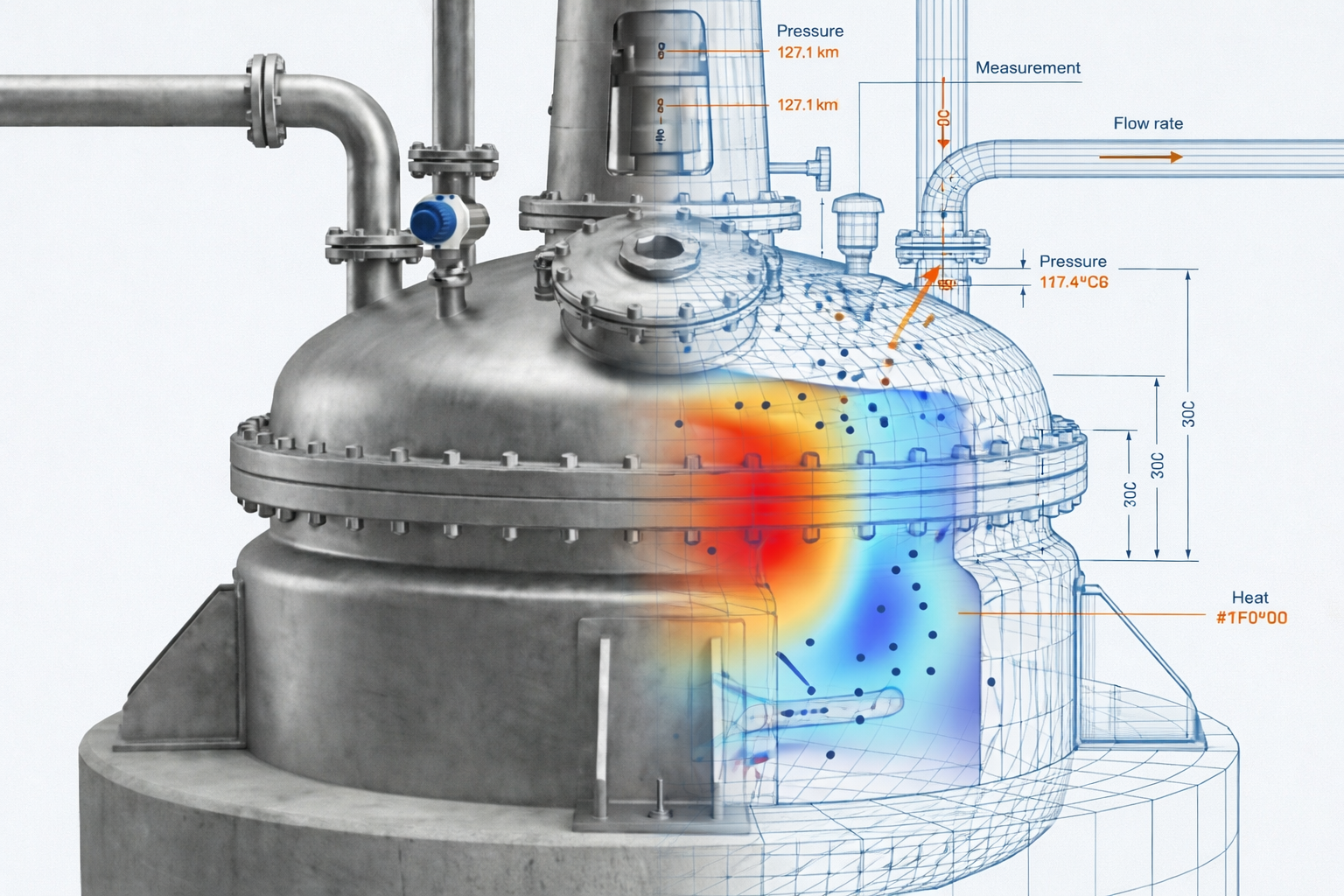
Advanced Process Control (APC): We deploy “Closed-Loop” AI and Model Predictive Control (MPC) to optimize high-pressure reactors and distillation columns. By adjusting variables in real-time based on thermodynamic digital twins, we maximize throughput and significantly lower the carbon footprint of steam-intensive processes.
Predictive Asset Performance: Utilizing acoustic and vibration sensors powered by machine learning, we monitor the health of critical rotary equipment and reactors. We move your maintenance strategy from reactive “firefighting” to a predictive model that identifies early signs of corrosion or fouling, preventing million-dollar unplanned shutdowns.
FortisIntel Supply Chain Intelligence: Our proprietary FortisIntel platform provides end-to-end visibility into your feedstock tiers. It identifies “single-point-of-failure” suppliers and uses “Just-in-Case” resilience modeling to suggest localized sourcing alternatives, ensuring that geopolitical volatility never stalls your production line.
Circular Economy & Waste Valorization:Â We engineer chemical recycling solutions, such as advanced pyrolysis and depolymerization, to reclaim monomers from post-consumer waste. Our solutions allow you to “close the loop,” reducing reliance on fossil-based feedstocks and capturing the premium for sustainable chemical products.
The chemical industry has reached a point where operational excellence is no longer defined by scale, but by molecular agility. In a world of volatile feedstocks and tightening carbon borders, the competitive advantage has shifted to those who can bridge the gap between chemical kinetics and capital deployment. We believe the next era of chemical leadership belongs to the ‘Smart Producers’—those who utilize FortisIntel to de-risk their supply chains while deploying process-aware AI to optimize yields at the edge. At Fortis & Peak, our view is clear: sustainability is not a cost center; it is the ultimate optimization variable. By treating every carbon atom as a financial asset, we help firms transform legacy production into high-velocity, high-margin engines of the circular economy.
Fortis & Peak Consulting
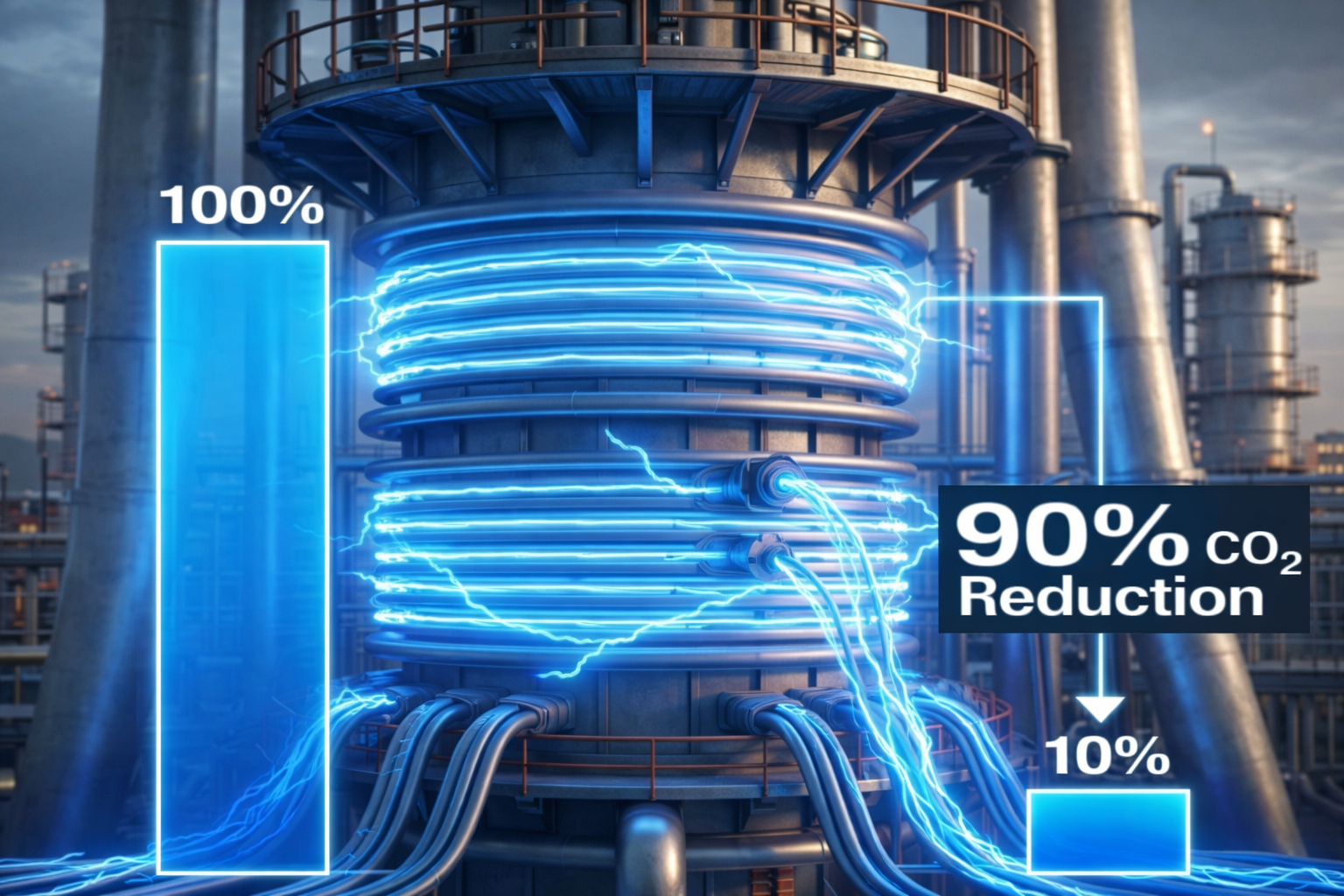
Can the heart of a petrochemical complex run without fire?
Traditionally, the “cracking” of hydrocarbons requires temperatures upwards of 850 °C, traditionally generated by burning fossil fuels. 2026 marks the commercial breakthrough of e-Cracking. Leading producers are retrofitting furnaces with high-current electrical coils powered by renewable energy.
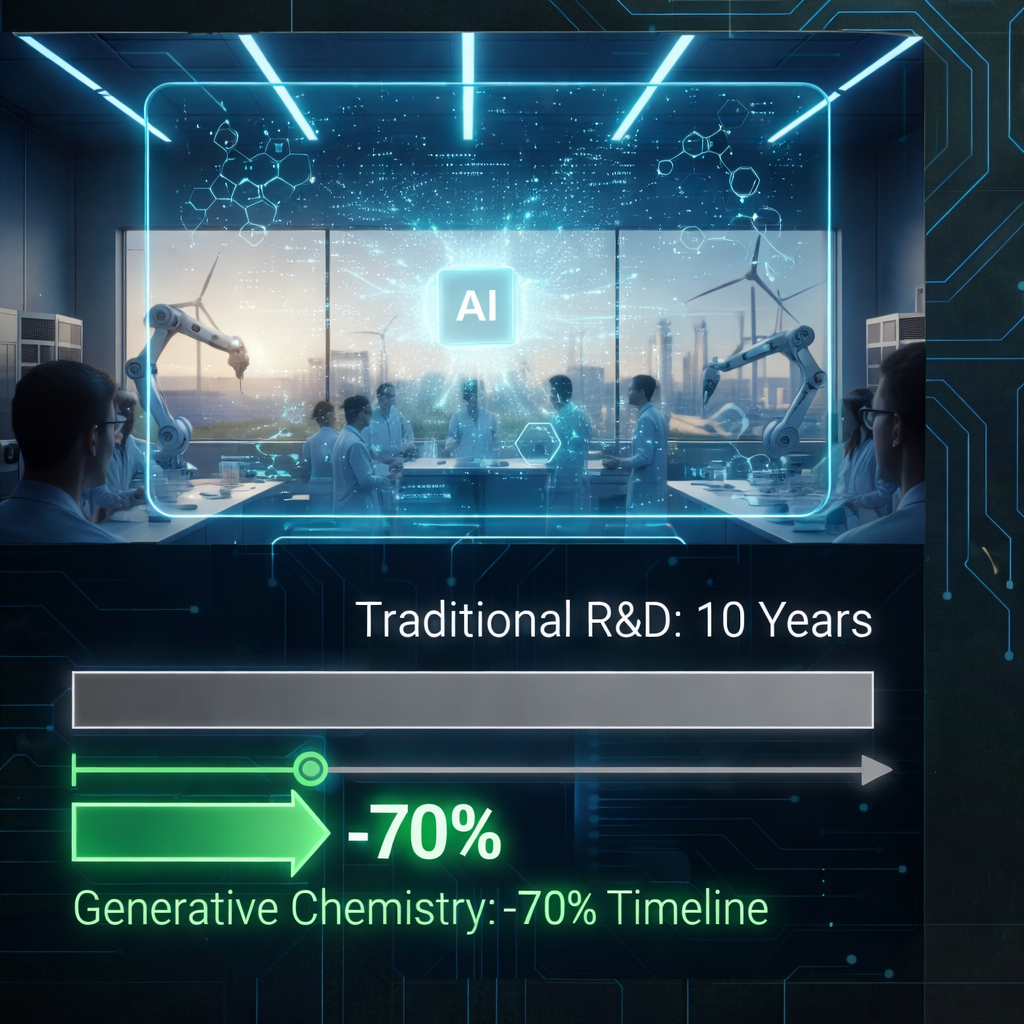
What if you could simulate a thousand chemical reactions in a single second?
The traditional R&D cycle for a new polymer can take a decade. In 2026, “Generative Chemistry” models and physics-native computing are reducing that timeline by 60–70%. AI agents now act as “lab partners,” suggesting novel catalysts and predicting molecular stability before a single beaker is touched.
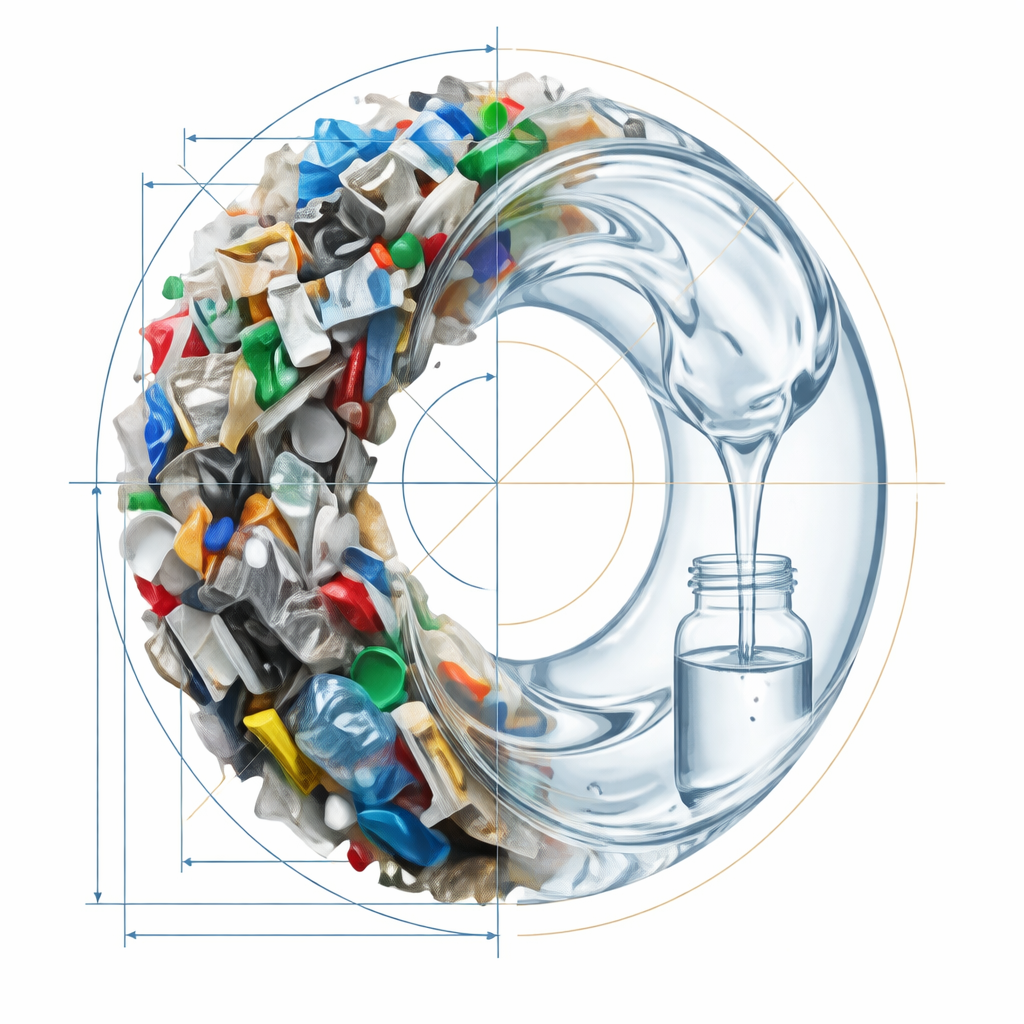
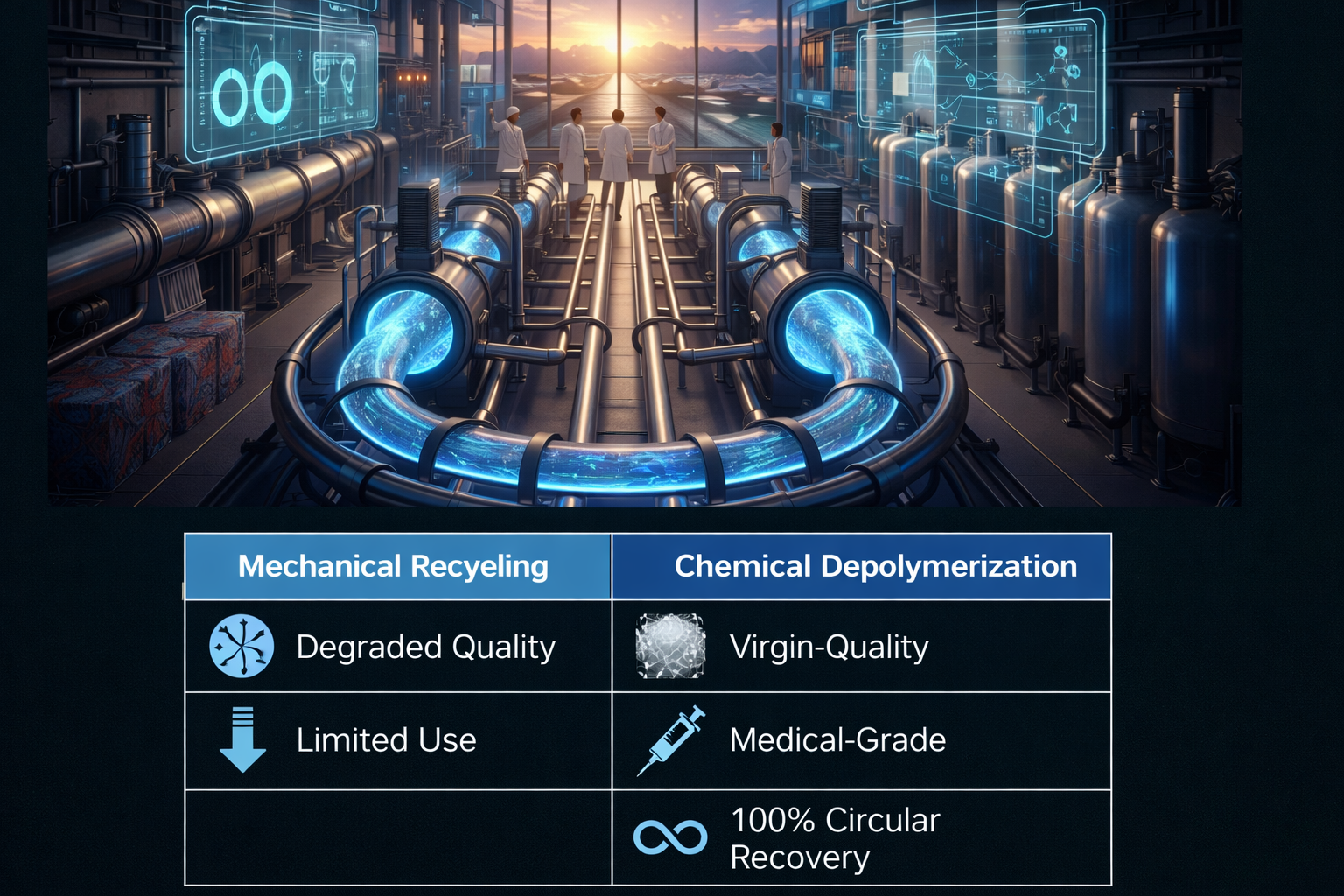
Is it possible to reach 100% circularity for complex plastics?
Mechanical recycling often degrades plastic quality, but Advanced Chemical Recycling (Pyrolysis and Depolymerization) breaks waste down to its original monomers. By 2026, the industry is scaling “virgin-quality” recycled feedstocks that meet the stringent requirements of medical-grade and food-contact packaging.
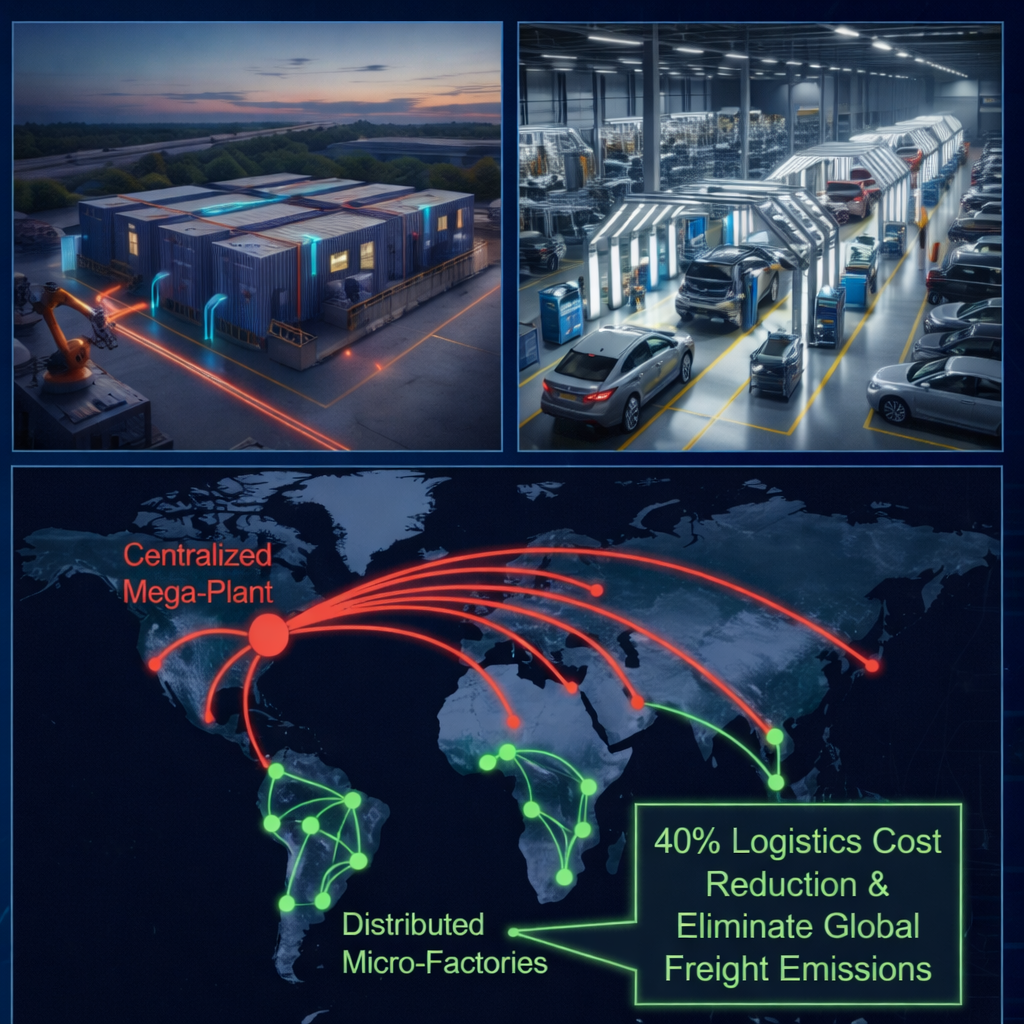
Can you bring the plant to the customer instead of the product to the market?
The era of the “Mega-Plant” is being challenged by Modular Micro-Factories. These are small-footprint, highly automated production units that can be deployed close to end-users (like automotive hubs or pharmaceutical labs).
The window for "business as usual" in the chemical sector is closing. Whether you are navigating the complexities of e-Cracking, pivoting to Circular polymers, or hardening your supply chain with FortisIntel, staying informed is your primary competitive advantage.
Join a network of R&D directors, plant managers, and chemical executives who receive our specialized monthly briefing.
Subscribe to Our Insights & Trends Newsletter
Bi-weekly engineering deep dives, quarterly market alerts on green technologies, and monthly executive perspectives—stay updated, resilient, and lead the transition.
To help us assist you effectively, please include the information below with your message. Your personal data will be handled in line with our Privacy Statement.
Required fields are indicated by an asterisk (*).