We Are Presenting and Delivering the Future School .... Today

The Innovation Economy Demands a New Kind of Graduate

We face a widening global skills gap where demand for adaptive, technically fluent problem-solvers far outpaces supply. Today’s educational models are failing to produce a workforce equipped for these complex, real-world challenges.

Why Traditional STEM Isn’t Enough.

Subjects are often taught in isolation, preventing students from making crucial connections. Abstract theory remains untethered from real-world application, while inconsistent quality lacks the scalable framework needed to guarantee equity for all students.

The Goal: To Ignite Young Innovators.

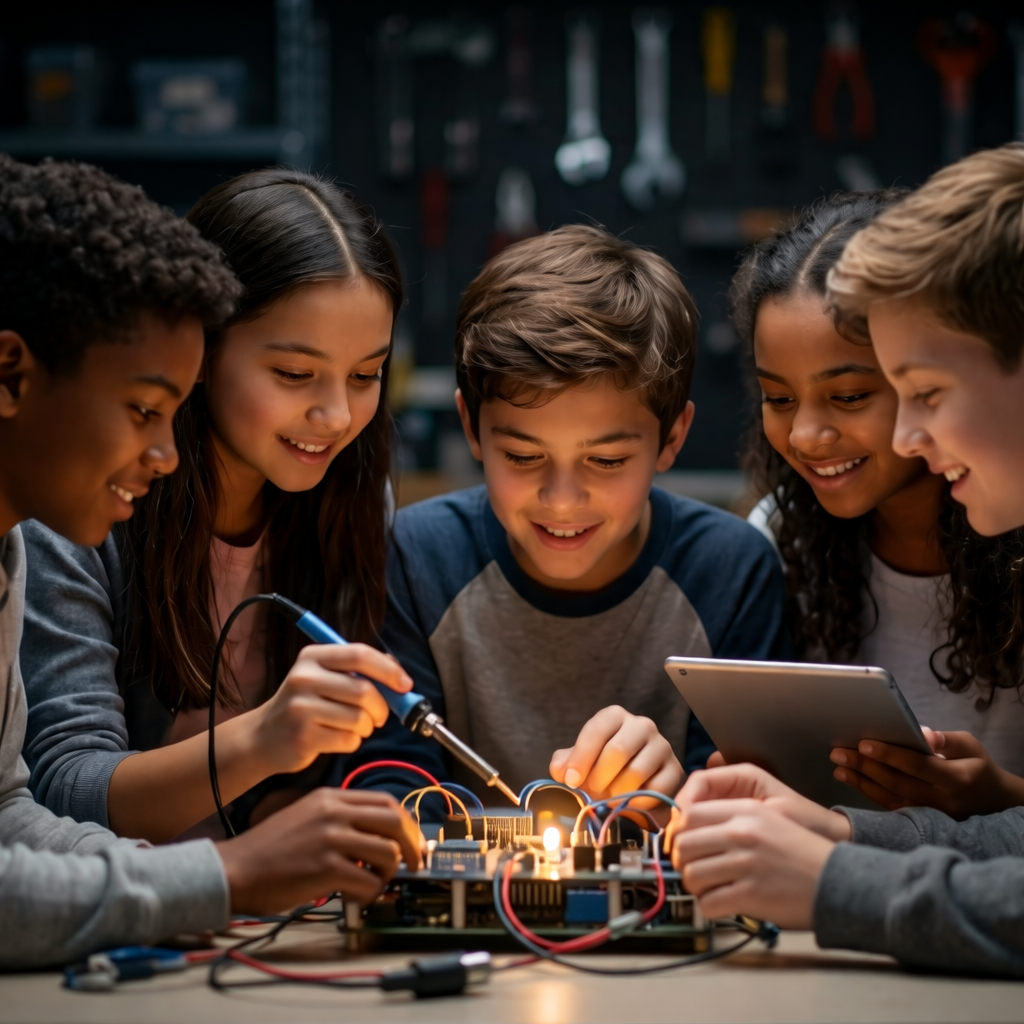
We build students’ capacity to design, build, test, and iterate technology solutions—ethically and collaboratively. This isn’t just about knowledge; it’s about fostering creativity, strengthening core skills, and preparing the next generation of leaders.

The Blueprint for a New Generation of Learning.

An articulated, scalable, and integrated educational structure. The Tecnexis Framework mandates the use of the Engineering Design Process (EDP) to foster true Technological and Engineering Literacy in K-12 students.

Engineering as the Bridge Between Theory and Impact

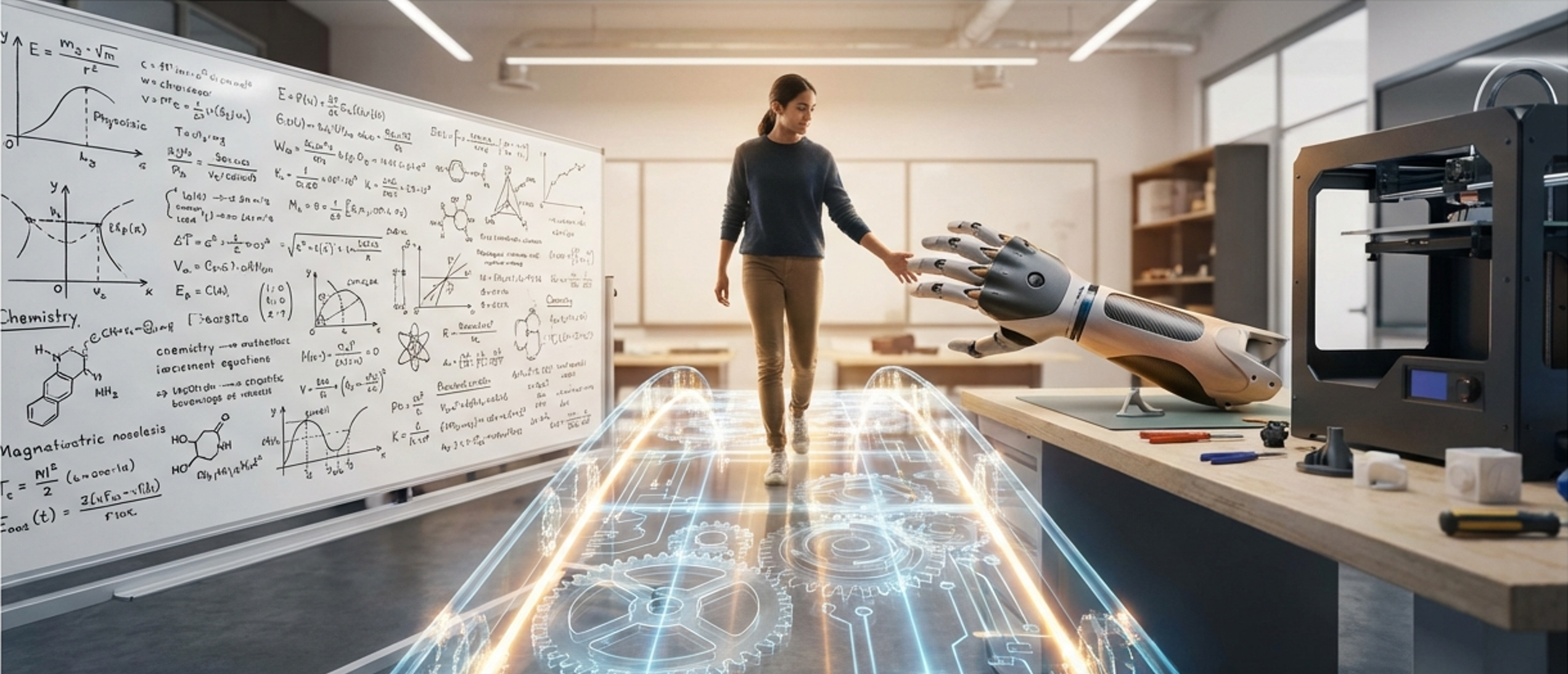
The framework uses the Engineering Design Process to make science and mathematics concepts relevant. Students apply core knowledge to solve complex, real-world, human-centered problems, moving from literacy to true technological fluency.

The Tools of Tomorrow, In Hand Today.

We don’t simulate the future; we implement it. Students gain fluency in the technologies shaping the global economy before they even graduate.

Technology is the accelerator, not the driver.

Our Framework is built on Three Pillars for Developing Technology Engineering K-12 Schools

Future-Proofing Skills:

Critical thinking, ethical analysis, and collaboration.

Engineering Design Process:

The engine for application and problem-solving.

Disciplinary Content:

The foundational knowledge of Science & Math.
Bridging the Classroom and Career

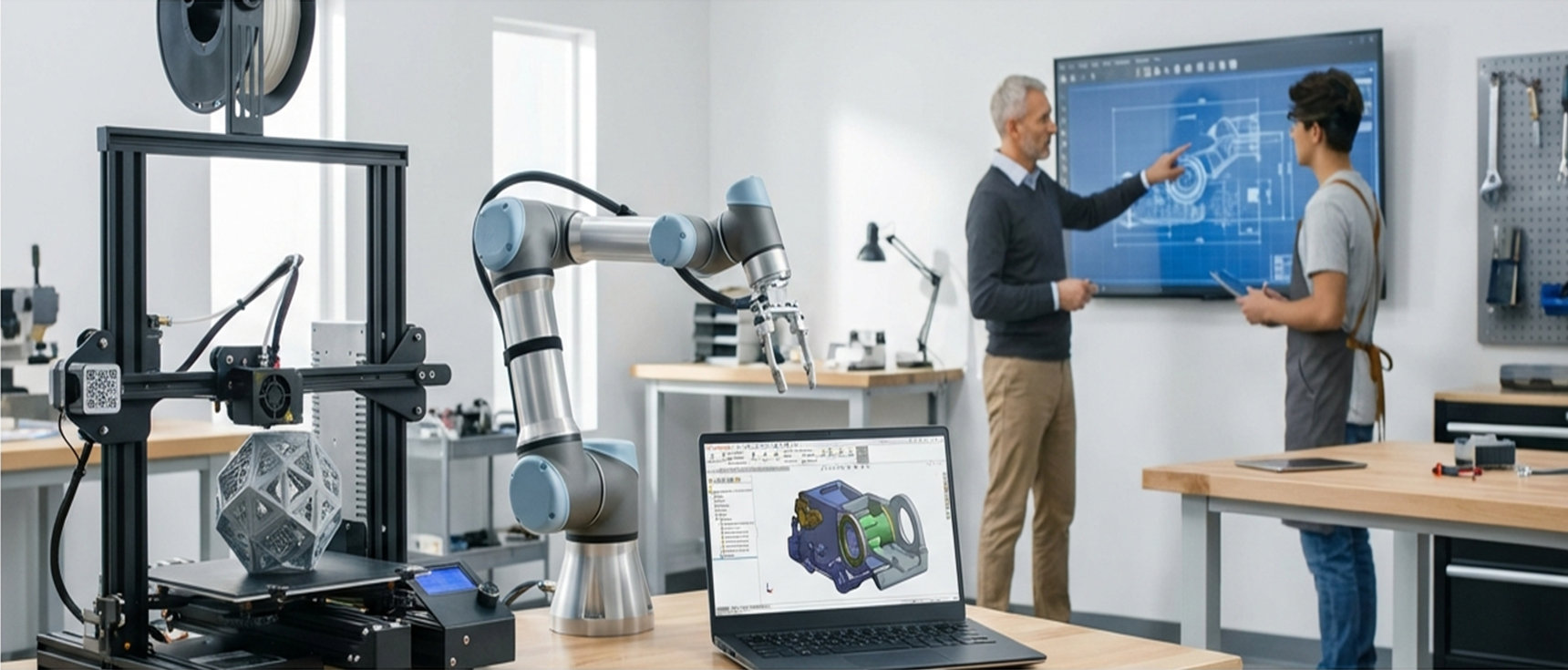
We deploy professional-grade resources including CAD, simulation, and robotics tools within dedicated makerspaces designed for ideation. This is supported by professional mentorships bridging the gap between classroom and career.

An Ecosystem, Not a Classroom.

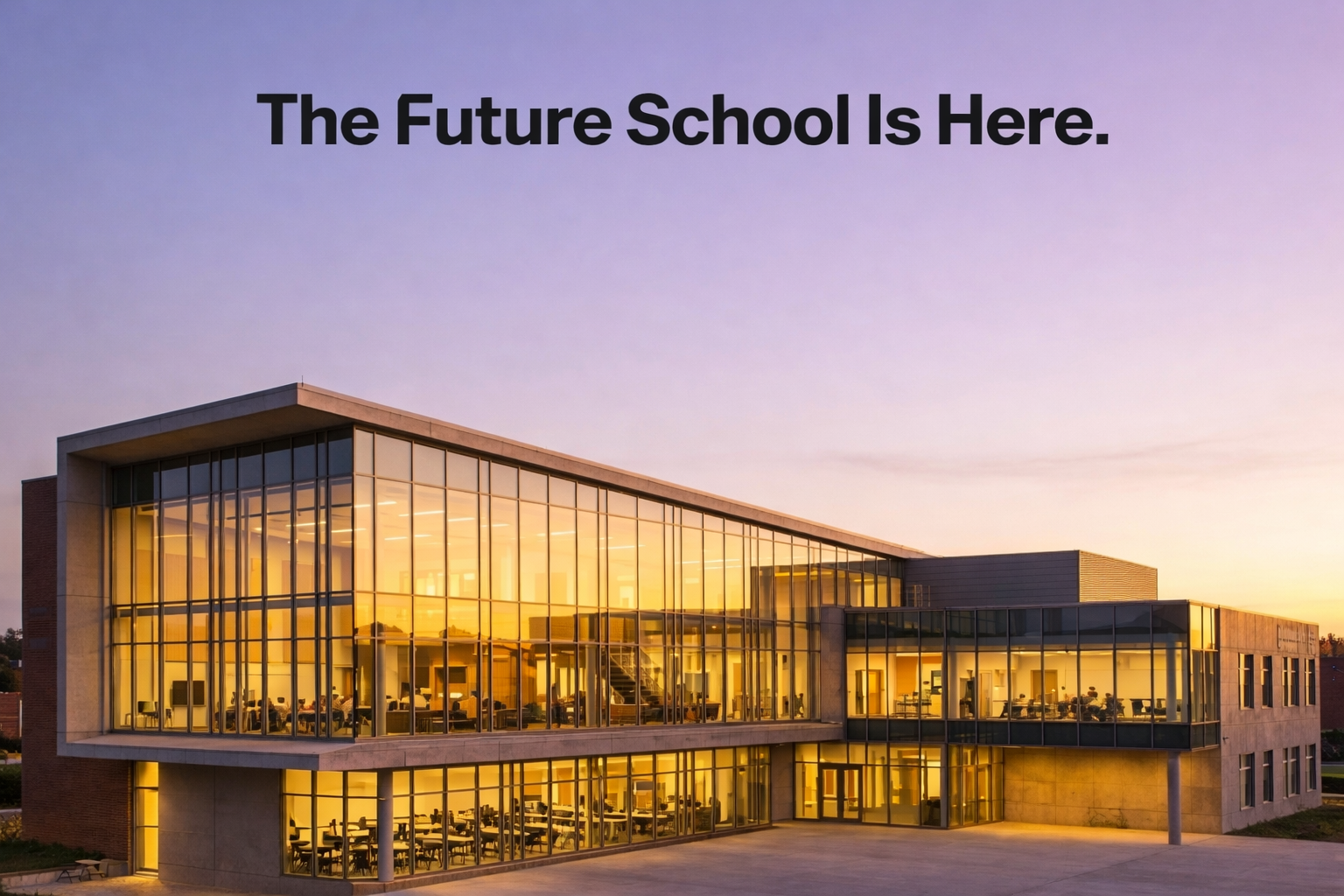
The “Future School” is a living environment designed to mimic the modern professional world. It is flexible, transparent, and hyper-connected.

The Graduate Profile

Our students leave not just with knowledge, but with the capacity to apply it in novel ways. They are adaptable, resilient, and ready to lead.

Creative Problem Solving

Emotional Intelligence

Technological Fluency

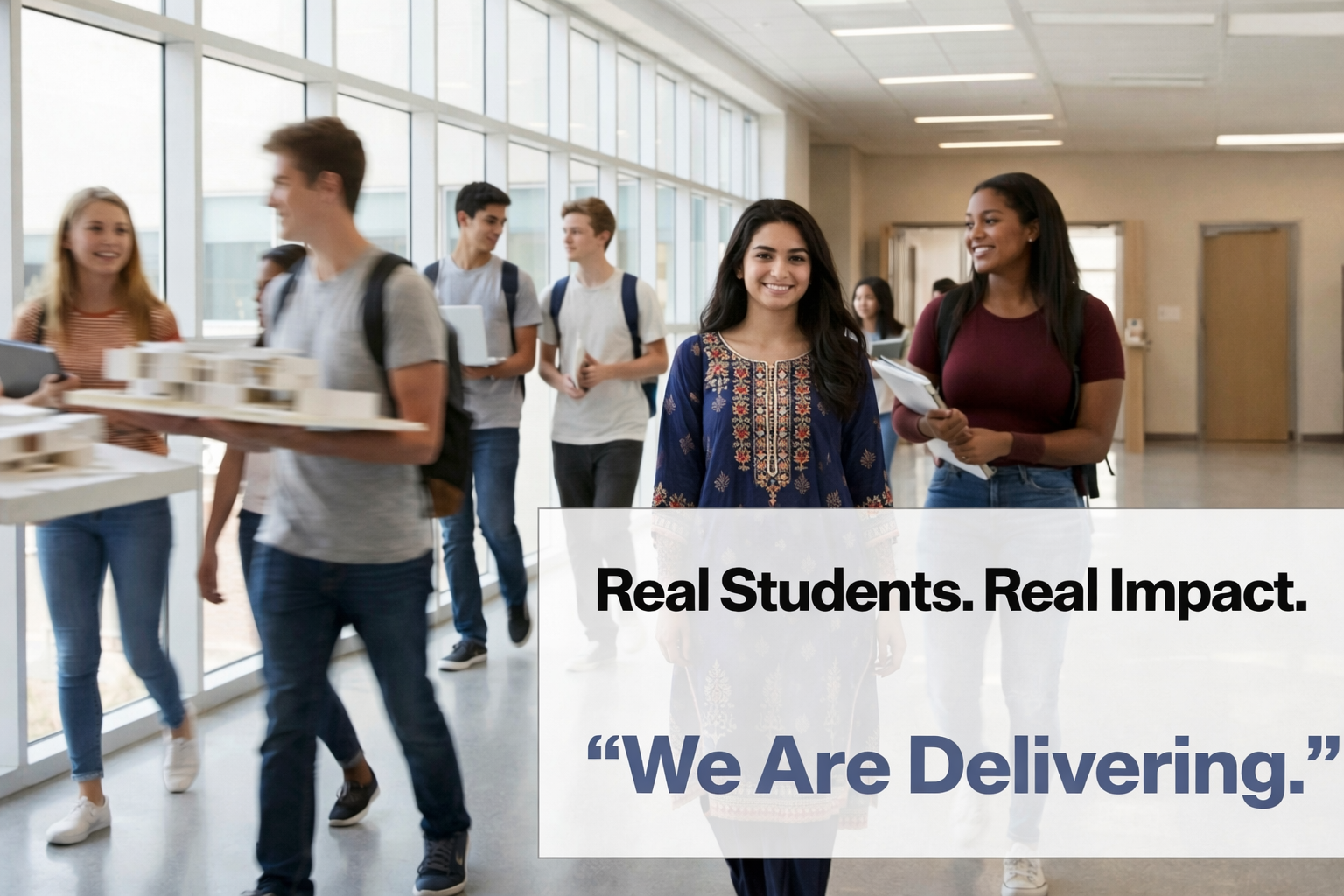
Real Students. Real Impact.

“We Are Delivering.”

The future is already in session. The experiment has succeeded.

Capability Building: The Fortis & Peak Institute.

Positioning at the intersection of advanced industry demands and academic development. The Institute addresses the critical need to build workforce pipelines by preparing educators to design and implement authentic engineering frameworks.

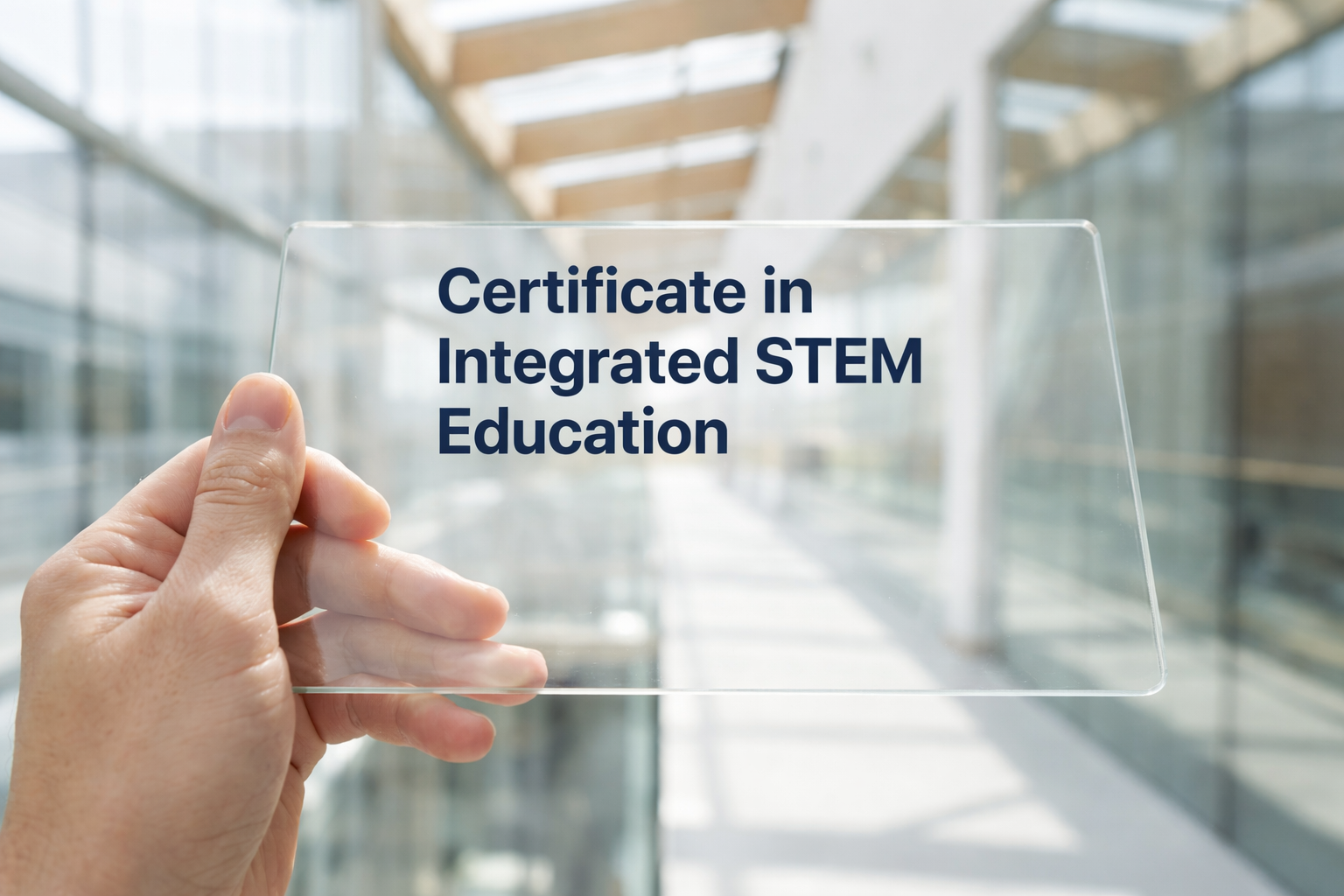
Certificate in Integrated STEM Education

A formal program preparing educators to design learning experiences that authentically integrate Science, Technology, Engineering, and Mathematics around real-world problems.

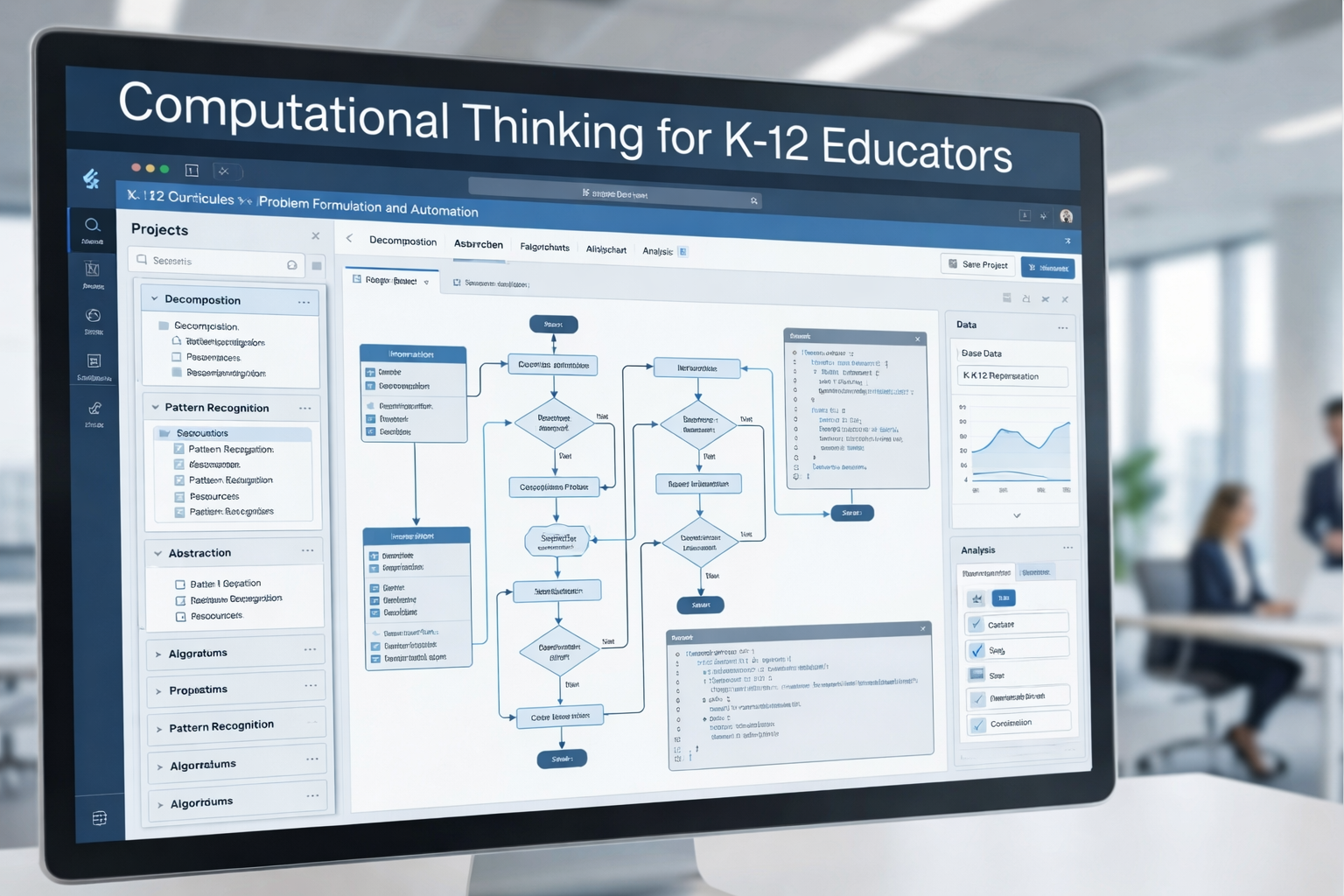
Computational Thiking For k-12 Educators

Formulating problems so solutions can be carried out by an information-processing agent.

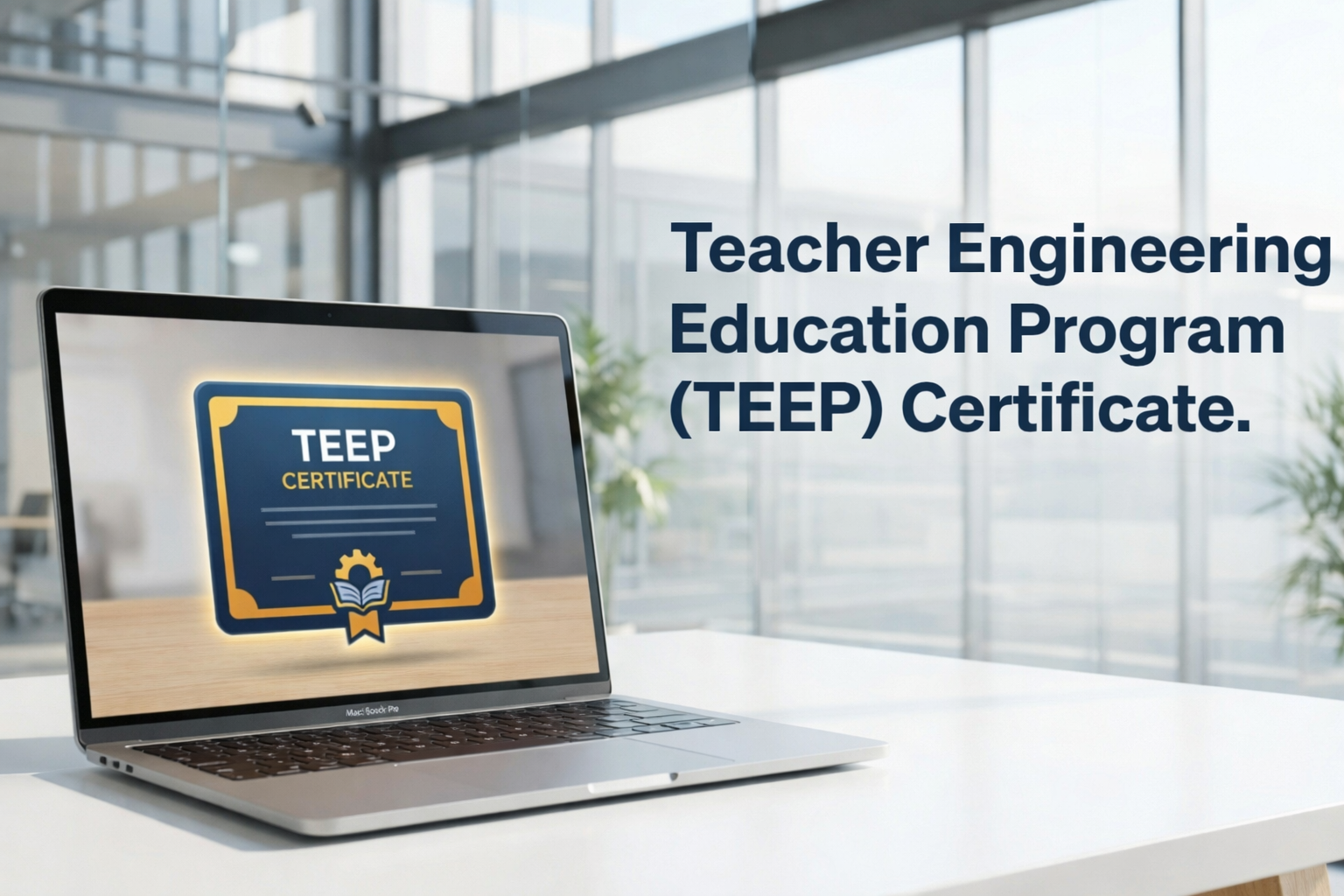
Teacher Engineering Education Program (TEEP) Certificate.

An online, graduate-level certificate from Tufts University. Designed for educators of any background to effectively integrate hands-on engineering principles and the design process into existing coursework.

Technology Education K-12 Certification

A state-issued teaching license authorizing individuals to teach Technology and Engineering coursework.

The Future School Is Here.

Building Tomorrow's Innovators, Today.